Advanced Inspection | Moisture Inspection 507-721-0922
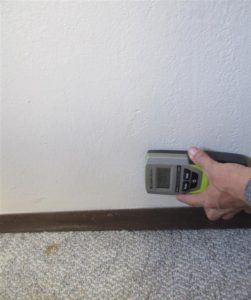
Moisture intrusion refers to water getting into a building and is one the most significant factor affecting the durability of a building envelope, which is its ability to continue to perform its functions over time. Building moisture can cause mold, fungal growth and other microbial contamination, as well as corrosion, decay, rot and other moisture related deterioration. These issues can pose serious health risks for occupants, and will likely lead to costly repairs to correct the problems that first allowed moisture to invade.
The basic causes of moisture intrusion into buildings, both liquid and vapor, include:
- Infiltration of rainwater/groundwater: significant amounts of moisture can enter a building through leaks in the envelope. Rain and groundwater can be drawn into a building though capillary action, surface tension, gravity, wind, and differences in air pressure.
- Infiltration of moist outside air: humid air from outside the building can be introduced by air infiltration through openings in the envelope or through the HVAC system. This is a significant problem in hot and humid climates.
- Moisture created within building: the daily activities of the occupants of a building and routine housekeeping procedures can generate additional moisture within the building itself.
- Diffusion of water vapor through building envelope: differences in water vapor pressure between the inside and outside of a building can cause water vapor to pass through the building envelope. This is a significant problem in cold climates. Small amounts of moisture within a building will condense inside the cavities of cold walls during winter months.
A moisture inspection can determine current issues and prevent further damage to the home.
Advanced Inspection | Home Inspection 507-721-0922